Today is the fourth anniversary of my mother’s death. I created this blog to share my yard with my mother, so now…. this blog seems pointless? Or can she read this blog “from wherever she is,” as she used to say? I like to think she can, but on the other hand if there are blogs and the internet “wherever she is,” I would feel disappointed that death does not actually bring peace. With the internet comes access to both real and fake news, both of which are usually equally bad.
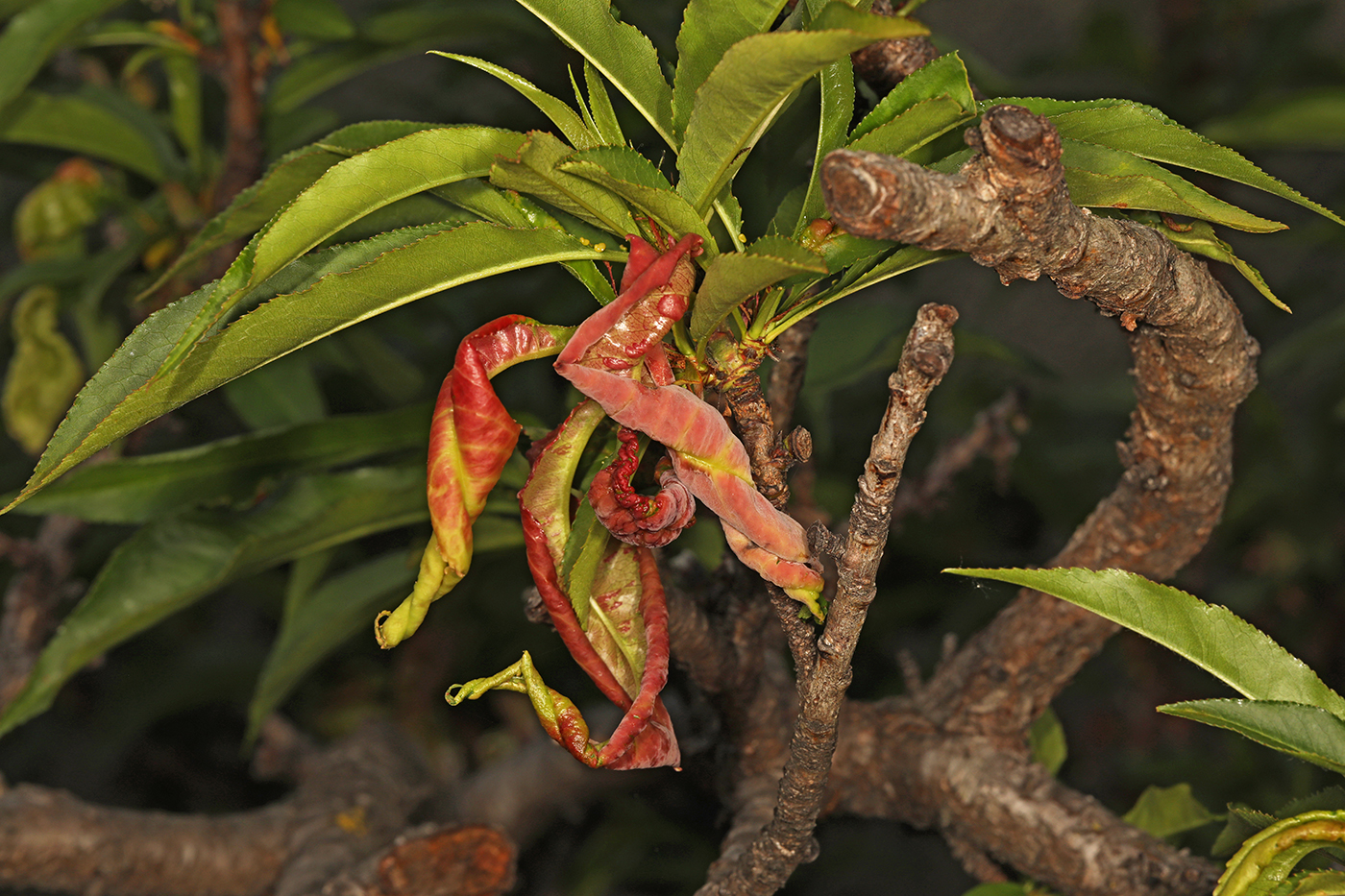
My garden remains a small oasis in the midst of world chaos, a psychopathic US president, wars (luckily not here, yet), work stress, and health management challenges. In most ways not a lot has changed in the yard. A disappointing loss, though, was the nectarine tree that had beautiful early spring blooms. It succumbed to peach leaf curl, a fungal disease caused by Taphrina deformans.
|
|
|
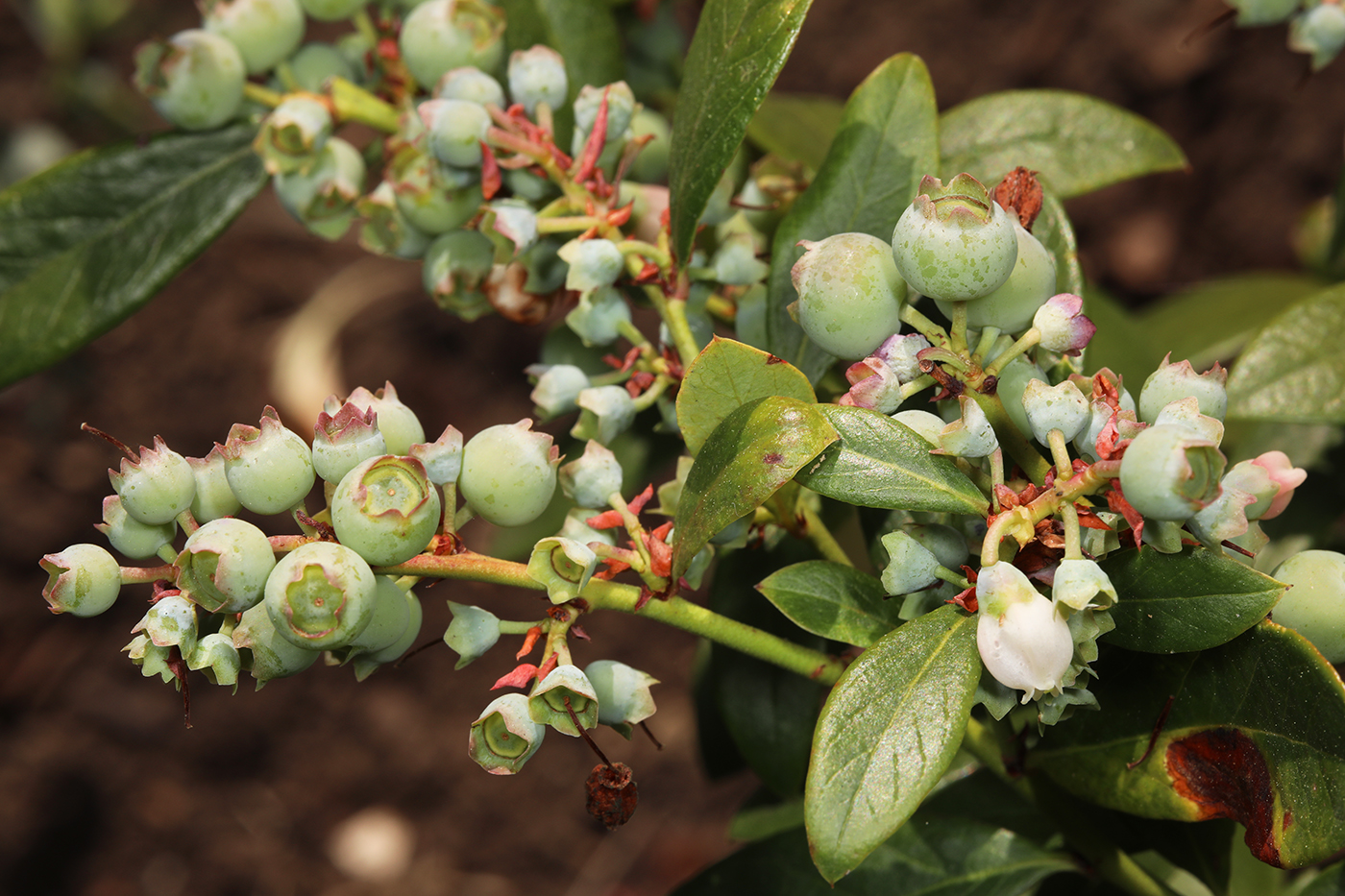
My mother especially liked to see plants I hadn’t already shown her. I have two blueberry bushes now, purchased despite my having mixed feelings about their need to be watered (more than native California plants). I can’t wait to try the blueberries, though.
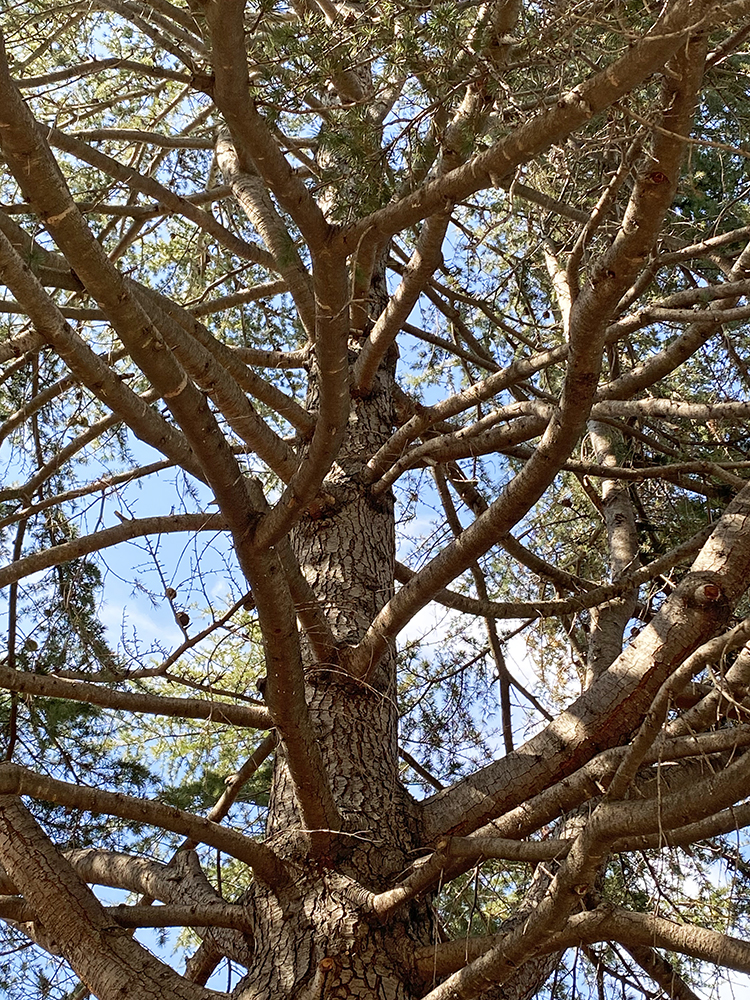
I have an oak tree in the front yard now, planted in part to replace the magnificent Deodar cedar that was growing right next to the house. The oak is already taller than I am. I look forward to finding oak galls on it someday.
|
|
|
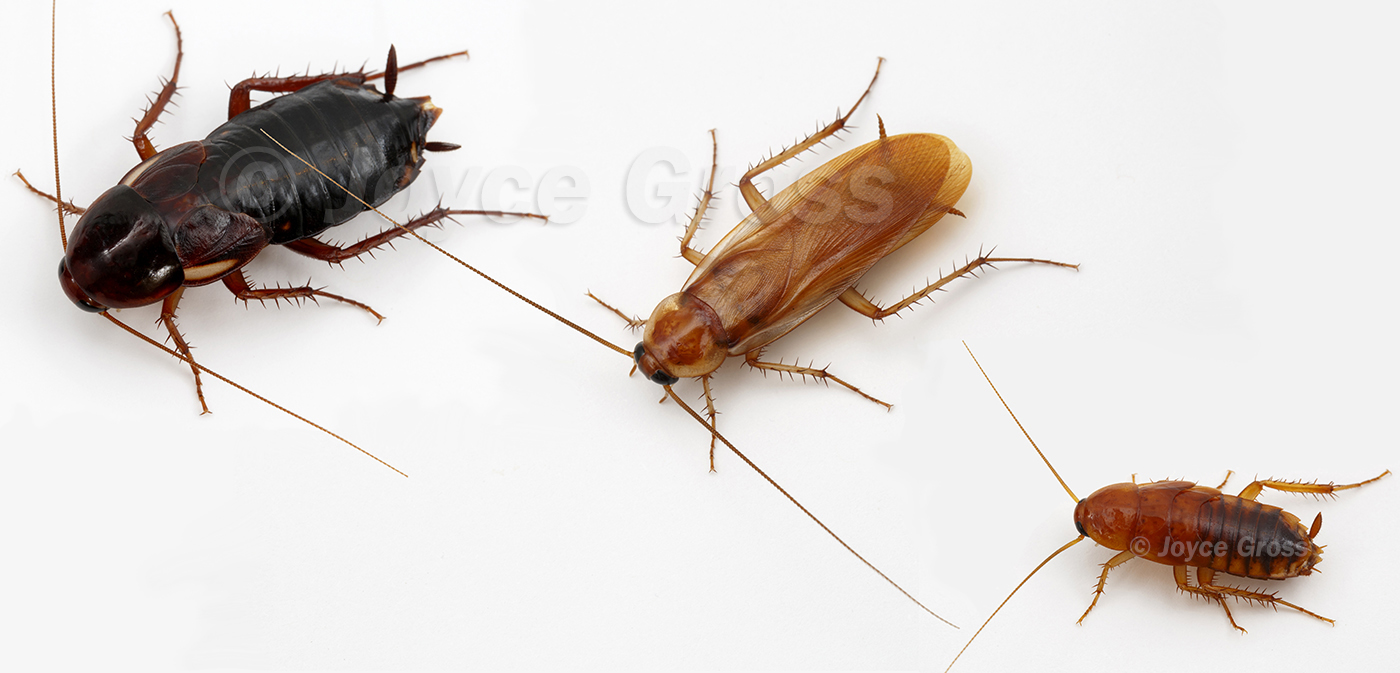
There’s a new-to-the-neighborhood insect here, the Turkestan roach. Having already survived the dinosaur extinction, cockroaches belong to a group of insects that’s most likely to survive human extinction. The Turkestan roach likes to hang out in water meter and light control boxes next to city sidewalks. They come out at night and spread out across my yard and sometimes walk up the exterior walls of my house. These roaches are, like some quirks of my mother’s personality, the result of war. It’s thought they were transported from the Middle East and Central Asia to the United States as stowaways in military equipment.
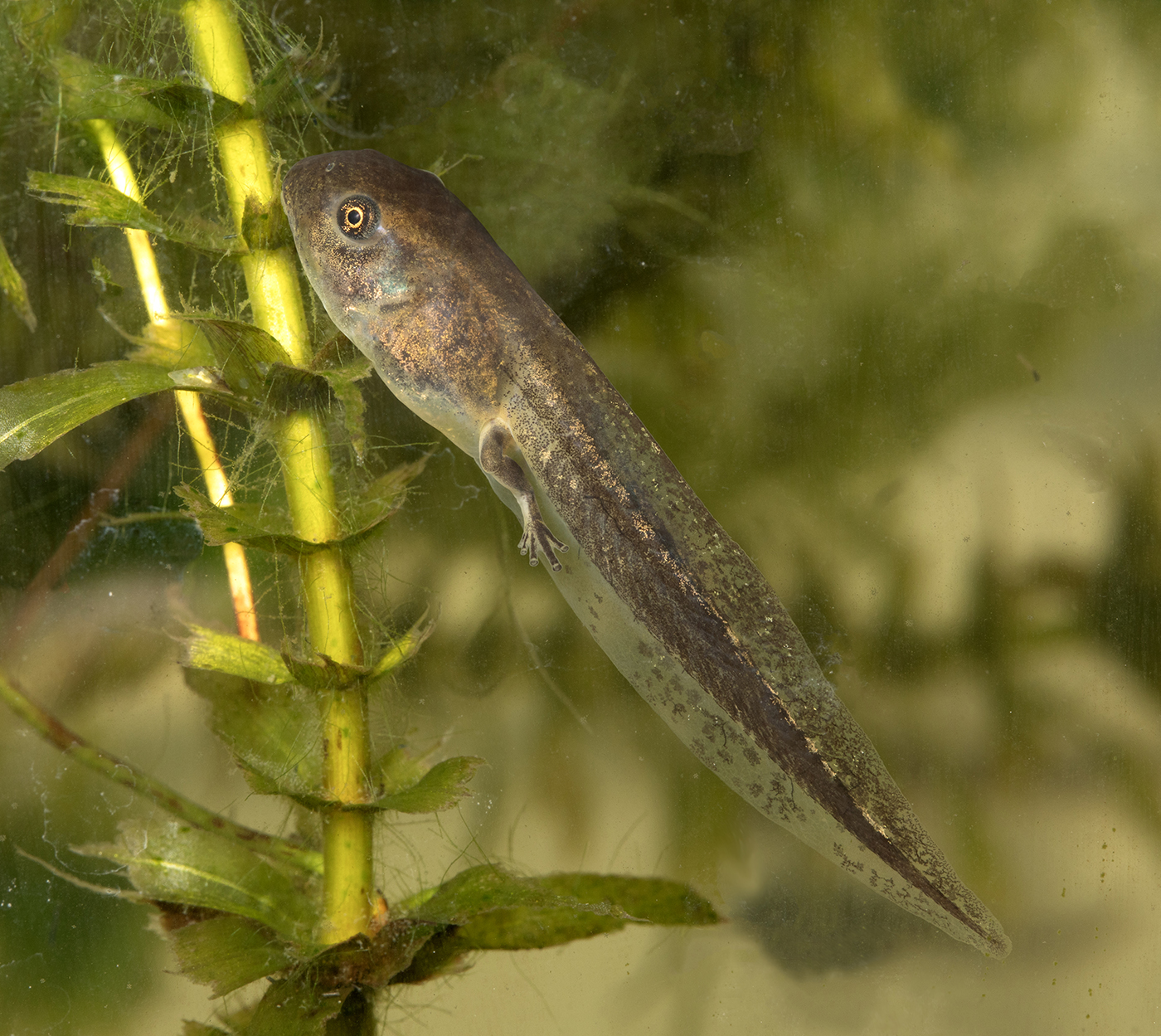
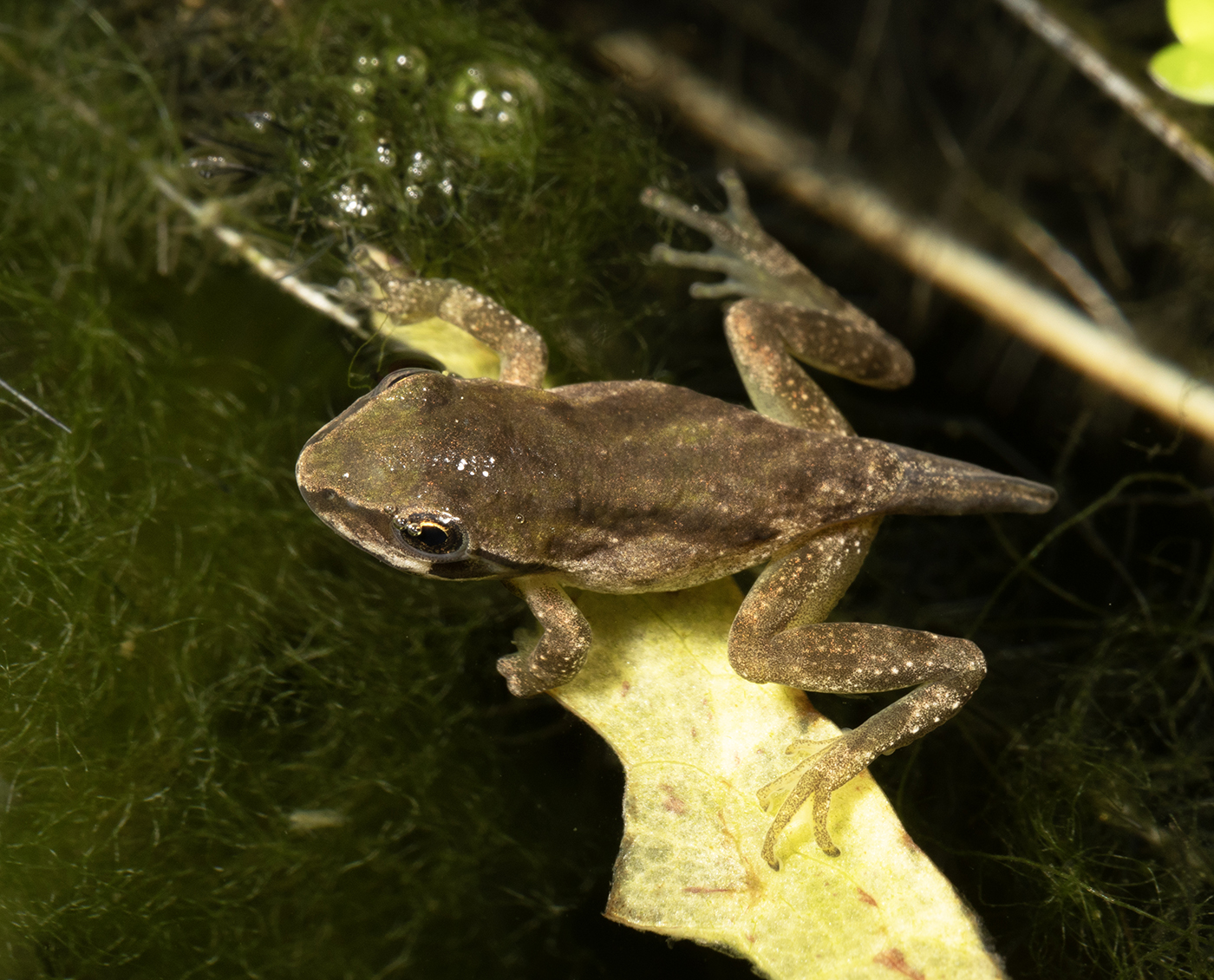
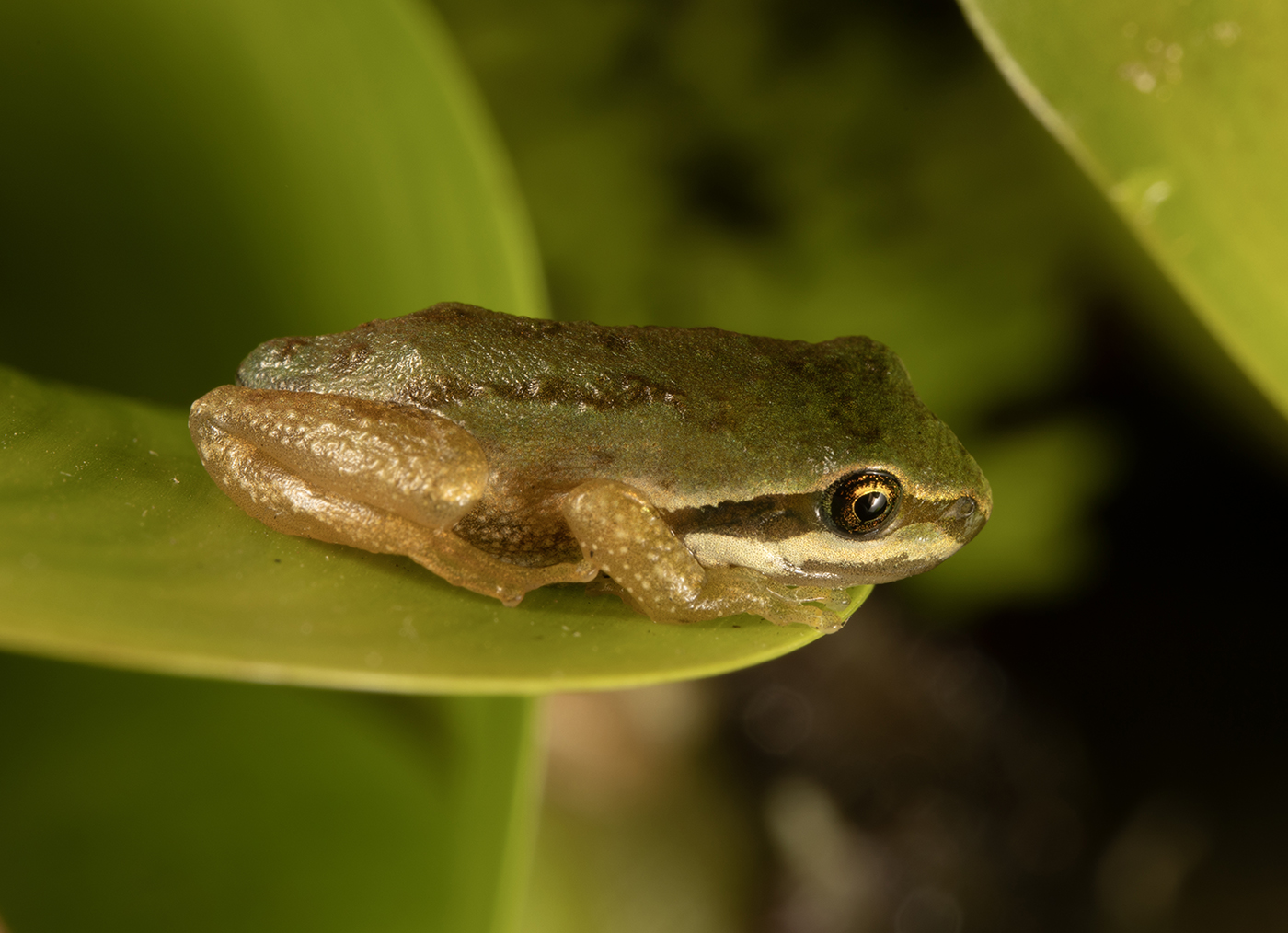
The spread of these roaches more recently in the US has been assisted by pet stores that sell them as food for frogs and reptiles. I’ve never purchased Turkestan roaches (they’re available for free in my yard), but I did start rearing frogs last year. A neighbor reared Pacific Chorus Frogs (Pseudacris regilla) for many years until he died. These native frogs hadn’t lived in my neighborhood for decades because of an overabundance of concrete and traffic. When I hear the frogs’ spring choruses, I like to pretend I’m somewhere remote. I hear a chorus right now, 80 feet from my desk.
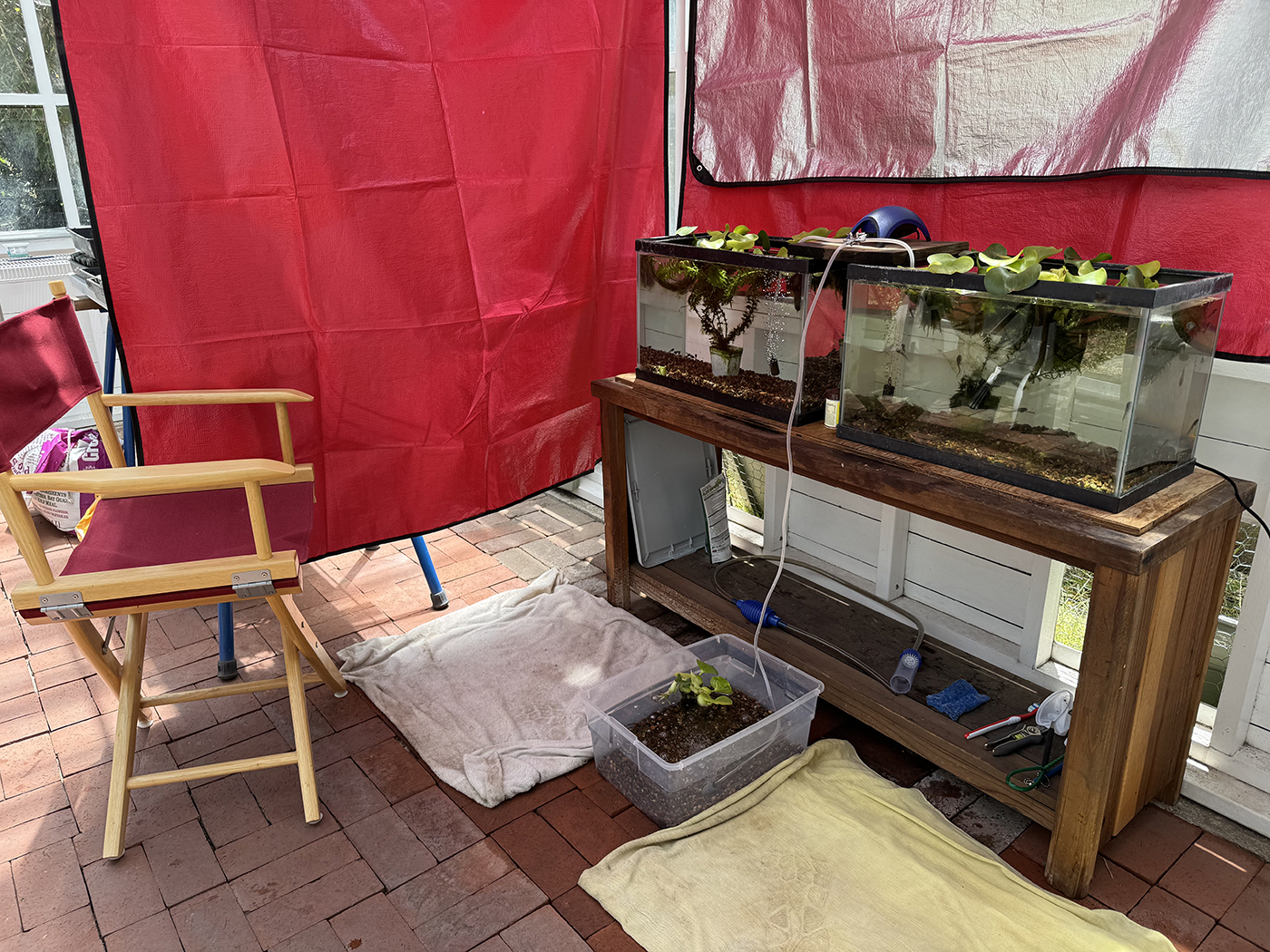
I only assist with the breeding, egg and tadpole stages. Providing a habitat for them to grow as tadpoles is significant work. There are no natural ponds near my house, not even any nice big puddles in which they can breed. The tadpoles develop in aquariums in my greenhouse.
|
|
|
|
|
|
A note directly to my mother…
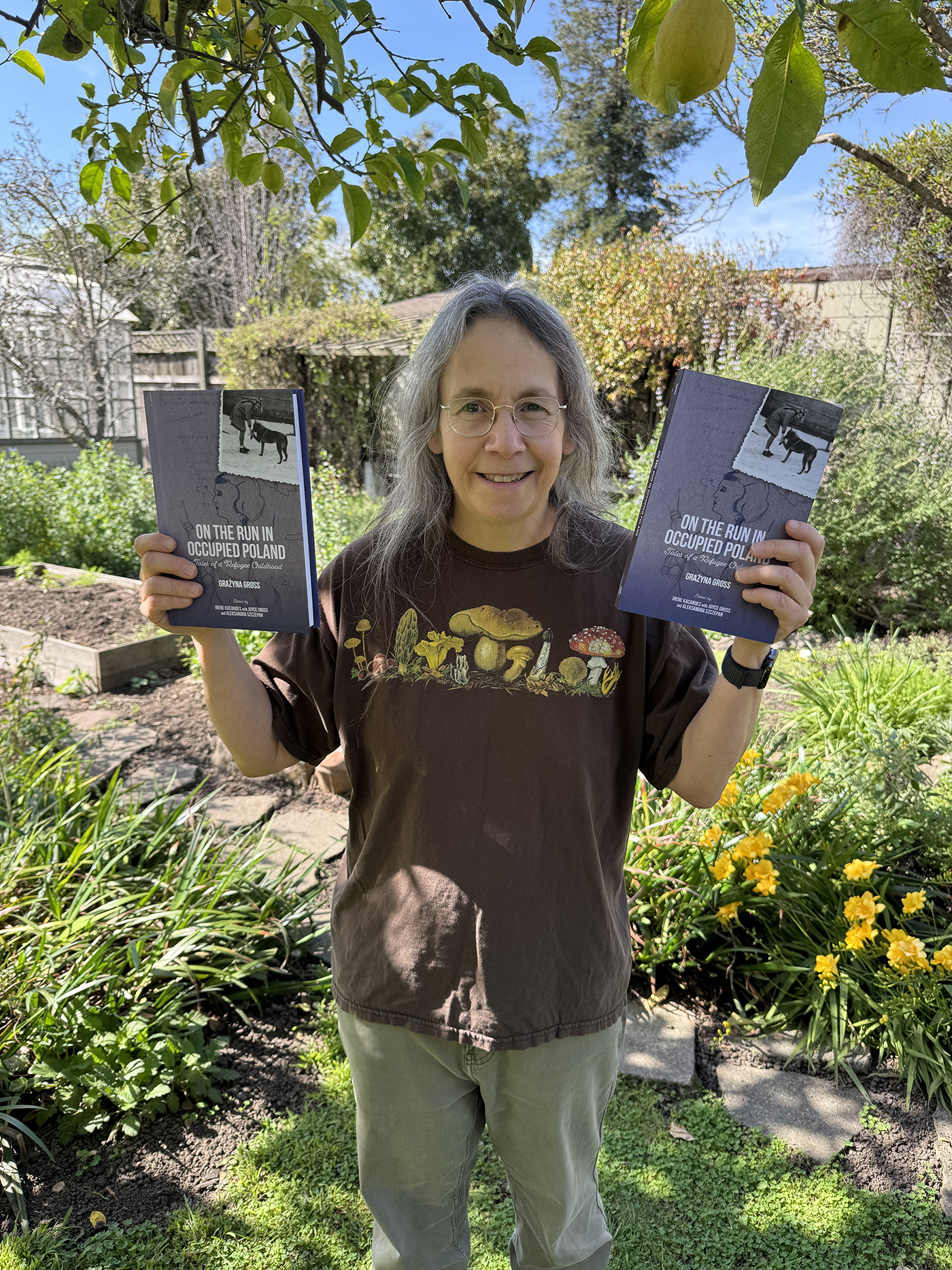
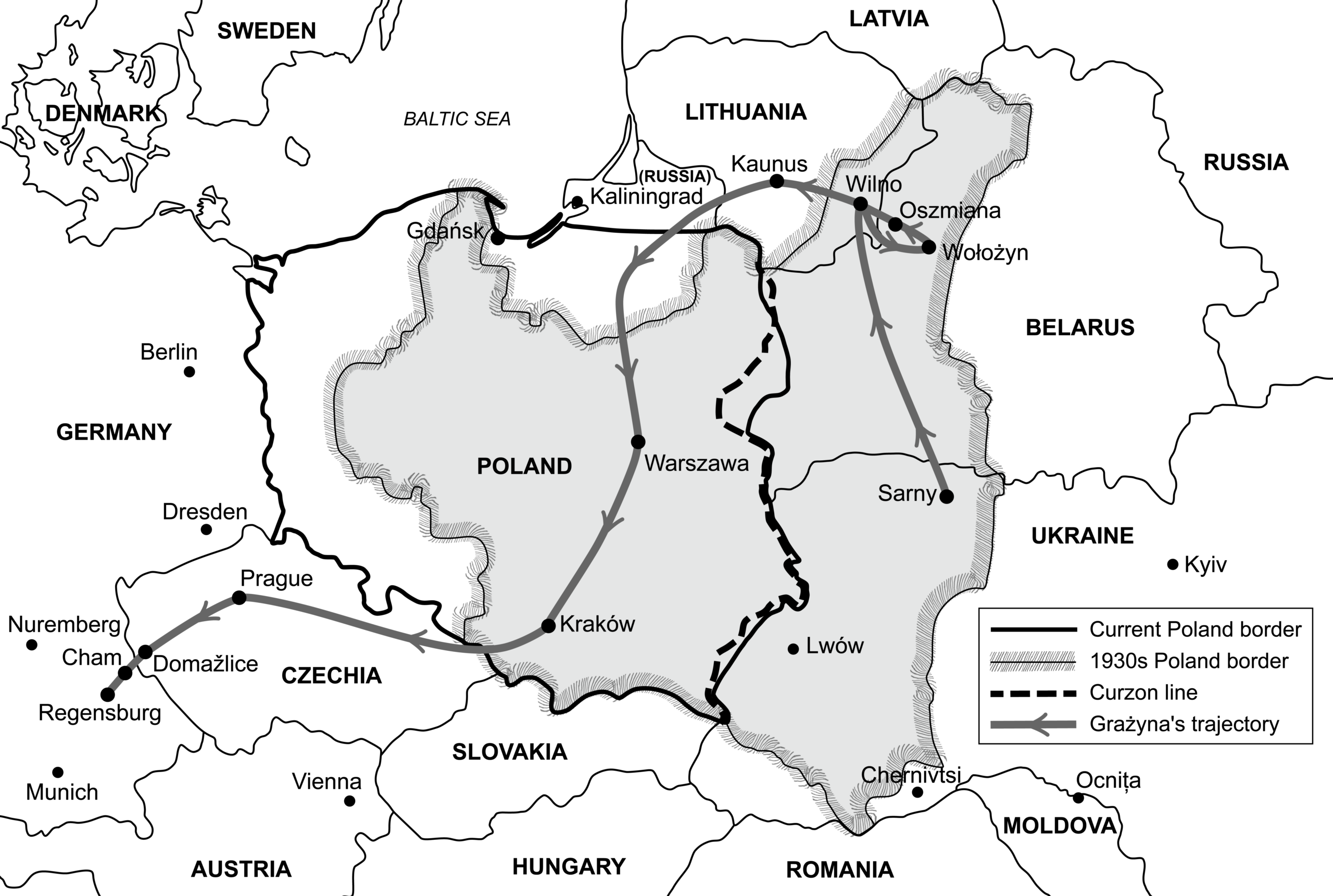
I saved the biggest news for last, because, when you hear it, you might get upset. Any negative reactions you may have about my news would be unjustified, though. Everything I’m about to tell you was done 100% with your permission. So, now that you’re lulled into the best mood possible by cockroaches, blueberry bushes, and frogs, I’m letting you know that your stories revolving around your life in Europe (1931-1949) have been published this year by the University of Rochester Press in a book titled On the Run in Occupied Poland: Tales of a Refugee Childhood.

Your friend Irene Kacandes edited the stories – not only the ones you already worked on with her, but additional stories I found on your computer. Following your stories are three essays: one by me which I am sure you won’t want to read (I broke the rule of daughters not being allowed to question their mothers), one by Aleksandra (Ola) Szczepan, and one by Irene. I wish you could have met Ola. She knows an incredible amount of Polish history, and, by chance, knows well all the places you used to wander in Kraków during the war.
Thank you for giving me the opportunity to work with Irene and Ola. They are amazing scholars and humans, and working with them on this project was the best thing that has unexpectedly happened in my life.
I hope you’ve gotten this far – that your contrariness has not caused you to lash out with some unwarranted negative commentary. My best hope is that you’ve been rendered speechless, at least until I finish what I have to say. Maybe in the end you could spare a small smile? Your stories deserve to be read by more than just one or two people.
I miss you. It’s hard to believe you’re not still in your own backyard refuge in Ellis Hollow — a refuge that was mine for many years as well — walking your dogs, feeding the chickens, nursing along a delicate Clematis, preparing for a dog show or tracking test, trying to get some peace and quiet to read, and thinking about what you lost or left behind in Poland. A strange thing now, after reading your stories, is that I feel I knew you when you lived in Europe, and so I also miss the Grażyna who was a child in towns that are now in Belarus and Lithuania, the Grażyna who was a young teenager in Kraków, and the Grażyna who was an older teenager in Germany, observing the complicated wartime and post-wartime social fabric, navigating life around your mother’s lies, and watching the colors change on the Vistula and Danube Rivers. You loved the rivers so much that you named one of your dogs, half a century after you left Poland, after the Vistula River.
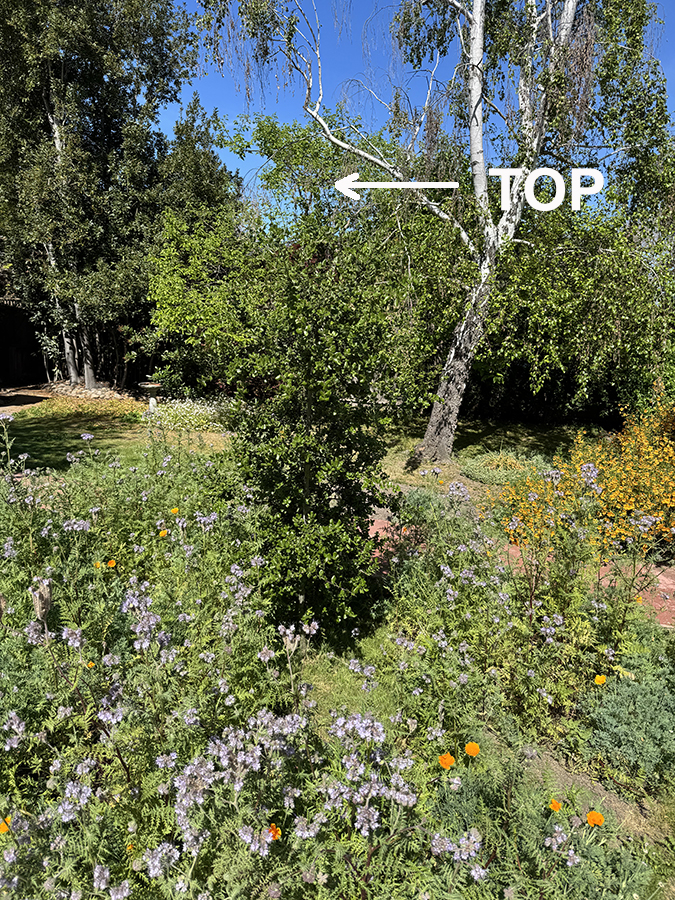
In the photo below, I’m holding an account of your years in eastern Europe — your “stories” as you preferred to call them — against the backdrop of my small backyard refuge in California. The spring flowers have started blooming.